Free Nurse Advice
 Clinics
 Categories
 Allergy
 Cancer Test
 Cardiovascular
 Female
 Imaging
 Male
Male STD checkup
 Vaccine
 Locations
 Medical Aesthetics
 Spa / Massage
 Talk to Nurse
 繁體中文
繁體中文A Guide to Aesthetic Treatments for Sensitive Skin: Which Procedures Are Safe, and Which Aren't?
The range of aesthetic treatments on offer is becoming increasingly diverse, and more and more people now regard them as part of their everyday skincare routine. For those with sensitive skin, however, aesthetic procedures often inspire a mix of anticipation and hesitation—they want to address an unstable complexion or early signs of ageing, yet worry that too much irritation could leave their skin's condition fluctuating instead. This is especially true during seasonal transitions or periods of heightened stress, when dryness, redness, and stinging are more likely to appear, leading many to shy away from aesthetic treatments altogether. So, is aesthetic treatment really off-limits for sensitive skin? And which procedures call for particular caution?
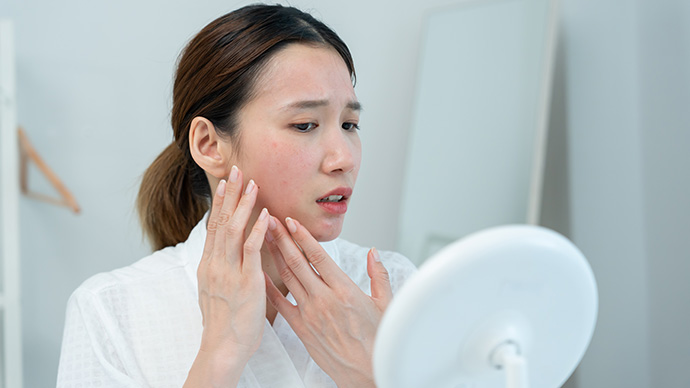
What Is Sensitive Skin?
"Sensitive skin" describes a condition in which the skin has a lower tolerance for external irritants, often presenting as redness, swelling, flaking, or a stinging sensation. It commonly flares up when switching skincare products or during seasonal changes in weather.
It's worth noting that sensitive skin is not entirely the same as rosacea or a compromised skin barrier, though all three conditions can influence one another. For this reason, before considering any aesthetic treatment, it is far more important to clarify which type of sensitivity you are actually dealing with than to rush into choosing a procedure.
How to Choose Aesthetic Treatments for Sensitive Skin: A Clear Look at What's Suitable and What Calls for Caution
When selecting aesthetic treatments, people with sensitive skin can follow one core principle: prioritise treatments that are low-irritation, adjustable, and high in stability.
Generally speaking, low-energy light-based treatments with gradually adjustable intensity, or medical-grade skin management aimed at repairing the skin barrier and improving stability, are relatively well suited to sensitive skin. These treatments focus on improving the overall condition of the skin, allowing it to gradually return to balance, rather than pursuing immediate, dramatic change.
By contrast, high-energy treatments, those involving deep stimulation, or procedures that layer multiple energy sources carry comparatively higher risk for sensitive skin. Undergoing several aesthetic procedures in close succession over a short period may also overload the skin, triggering redness or inflammatory reactions.
Recommended Treatments for Sensitive Skin: Common, Comparatively Gentle Options
If you have sensitive skin and hope to improve your complexion gradually, it's best to start with treatments that are clinically common and relatively gentle, rather than chasing noticeable results from the outset.
Low-Energy IPL Photorejuvenation (Energy Must Be Lowered by a Physician)
Under professional assessment, IPL performed at lower energy settings can help improve uneven skin tone, mild redness, and overall radiance. The goal is not an immediate effect, but rather to gently stimulate the skin and slowly build up its stability over time.
Medical LED Light Therapy (Red Light / Yellow Light)
LED light therapy is a low-irritation treatment commonly used to soothe redness, promote repair, and stabilise the skin's condition. It is also frequently used as supportive aftercare following other treatments.
Medical-Grade Hydration and Barrier Repair Treatments
Centred on deep hydration and skin barrier repair, these treatments are suitable for people with sensitive skin whose condition fluctuates and who are prone to dryness or stinging. They serve as a "foundation-building" type of treatment.
Non-Invasive Skin Management Treatments With Adjustable Energy
Some non-invasive treatments allow the energy level and treatment area to be tailored to an individual's skin condition, focusing on improving overall skin quality and texture rather than immediate lifting or deep stimulation.
Note: Even with relatively gentle treatments, actual safety remains closely tied to energy settings and technique. A professional medical assessment should always be carried out before any procedure.
How to Choose an Aesthetic Clinic: Three Key Points for People With Sensitive Skin
- Whether a thorough, detailed skin assessment is carried out before treatment, rather than an on-the-spot treatment recommendation
- Whether the treatment is performed or fully supervised by someone with a medical background
- Whether the clinic is willing to advise postponing or not proceeding when your skin is not in a suitable condition for treatment
These details often have a greater impact on safety for sensitive skin than the name or price of a treatment.
Sensitive Skin Is Not Off-Limits to Aesthetics—It Simply Calls for More Rational Choices
For sensitive skin, the goal of aesthetic treatment is not to pursue immediate change, but to gradually improve the skin's condition without damaging its barrier.
With the right treatments and medical team, people with sensitive skin can likewise work towards their ideal skincare results, all while keeping skin health protected.