Free Nurse Advice
 Clinics
 Categories
 Allergy
 Cancer Test
 Cardiovascular
 Female
 Imaging
 Male
Male STD checkup
 Vaccine
 Locations
 Medical Aesthetics
 Spa / Massage
 Talk to Nurse
 繁體中文
繁體中文Sleep Problems in Older Adults: Insomnia, Nocturia, and Sleep Apnoea | Causes and Practical Tips for Better Sleep
As we age, many people notice gradual changes in their sleep patterns — falling asleep becomes more difficult, and waking up in the middle of the night becomes more frequent. It's common to brush this off as simply "getting older means sleeping poorly." However, declining sleep quality isn't necessarily just a normal part of ageing. By identifying the underlying causes early and making appropriate adjustments, it is often possible to improve sleep and maintain overall health.
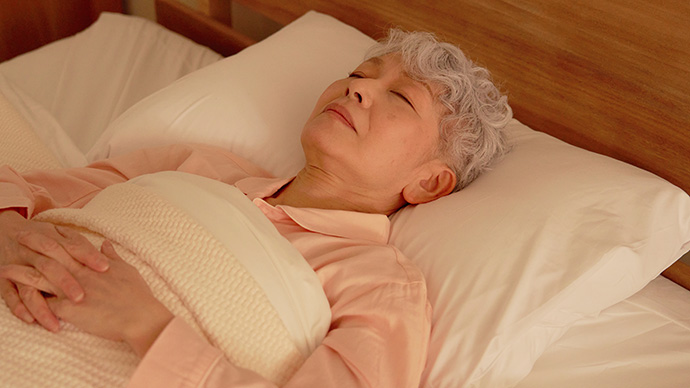
What Are the Most Common Sleep Problems in Older Adults?
Insomnia
Insomnia is a prevalent issue among older adults, manifesting as difficulty falling asleep, frequent nighttime awakenings, or waking up too early. Some individuals may still feel fatigued despite getting adequate hours of sleep, indicating poor sleep quality. Chronic insomnia not only affects mental clarity but can also impact mood and daily functioning.
Nocturia
As we age, bladder control naturally weakens, and certain medical conditions or medications can further contribute to nocturia (frequent nighttime urination). Even waking just once or twice per night to urinate can disrupt deep sleep cycles, leading to fragmented rest and daytime fatigue the following day.
Sleep Apnoea
Obstructive sleep apnoea (OSA) is not uncommon among older adults. Common symptoms include loud snoring, pauses in breathing during sleep, and sudden awakenings. Many people dismiss this as ordinary snoring, but if left untreated over time, it may have serious implications for cardiovascular health.
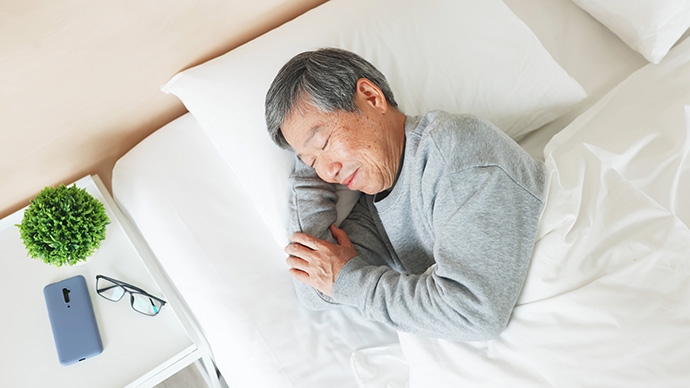
Why Are Older Adults More Prone to Sleep Problems?
With advancing age, the body's sleep architecture naturally changes. The proportion of deep sleep (slow-wave sleep) gradually decreases while lighter sleep stages increase, making sleep more easily disrupted by noise or light. At the same time, as melatonin secretion declines, it takes longer to fall asleep and nighttime awakenings become more frequent. Without sufficient deep sleep, the body cannot fully recover, which is why many older adults still feel tired the next day.
When Should You Seek a Professional Assessment?
Occasional sleep disturbances are common, but you should pay closer attention if you experience any of the following:
- Insomnia lasting several weeks or more
- Frequent nocturia that affects daytime alertness
- Breathing difficulties or sudden awakenings during sleep
- Persistent daytime fatigue, lack of energy, or excessive sleepiness
These symptoms do not necessarily indicate a serious condition, but they may be linked to underlying health factors. If the issues persist, in addition to making lifestyle adjustments, consider undergoing a professional sleep assessment to identify the root cause and develop a more tailored approach to improving your sleep.
ESD Joyful Health Check-Up Plan (For adults aged 60 and above)
- Screening items: 43 in total
- Includes basic health assessment, cardiovascular and chronic disease screening
- Results reviewed and analysed by a physician
60+ Select Health Check-Up Plan
- Screening items: 66 in total
- Covers cardiac assessment, ultrasound examinations, and bone density evaluation
- Report explanation and recommendations provided by medical professionals
Practical Tips for Better Sleep
Improving sleep can start with simple daily habits. For example, going to bed and waking up at the same time each day helps establish a stable circadian rhythm, while avoiding irregular sleep-wake patterns or prolonged daytime naps. Reducing fluid intake two hours before bedtime can help minimise nocturia, and stimulating beverages such as coffee, strong tea, and alcohol should also be avoided. Additionally, engaging in moderate daytime physical activity — such as walking or light outdoor exercise — not only promotes healthy fatigue but also helps regulate your body clock through exposure to natural light, making it easier to fall asleep at night.
Summary: Better Sleep Means Better Overall Health
Sleep quality is closely linked to overall health, affecting energy levels, physical wellbeing, and mood. Improving your sleep doesn't require drastic changes — gradual adjustments to your routine and daily habits can make a meaningful difference. If sleep difficulties persist or begin to interfere with daily life, it's advisable to identify the underlying cause early and seek professional guidance.
Frequently Asked Questions
| Related Reading |
|
→ Learn more about Gynaecological Check-Ups
|