
 Free Nurse Advice
 Clinics
 Categories
 Allergy
 Cancer Test
 Cardiovascular
 Female
 Imaging
 Male
Male STD checkup
 Vaccine
 Locations
 Medical Aesthetics
 Spa / Massage
 Talk to Nurse
 繁體中文
繁體中文What Are Gastric Bezoars? Causes, Symptoms, and Diagnostic Methods | How Even Vegetables Can Form Stomach Bezoars
Most people are familiar with kidney stones or gallstones, but solid masses known as gastric bezoars can also form in the stomach. When food cannot be fully digested and accumulates in the stomach over time, it may solidify into a hardened mass that impairs digestive function and can lead to discomfort or complications.
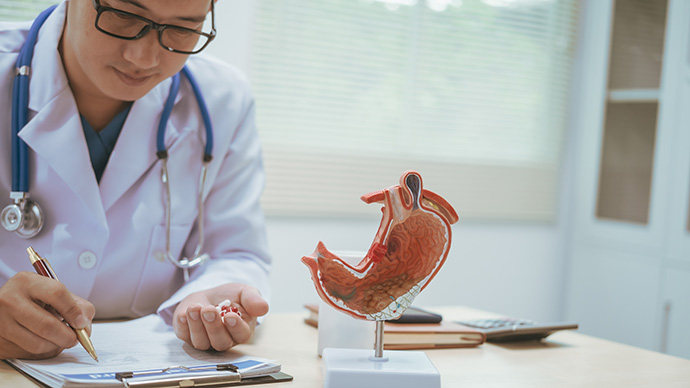
What Is a Gastric Bezoar? Causes of Stomach Bezoars
A gastric bezoar is a solid mass of indigestible material that accumulates in the stomach when food or foreign substances fail to be properly digested. Common types include phytobezoars (composed of plant fibers) and trichobezoars (composed of hair), with diet-related phytobezoars being the most prevalent. The formation of gastric bezoars is typically associated with the following factors:
- Dietary habits - Consuming large amounts of high-fiber foods such as persimmons, celery, bamboo shoots, or pineapple, combined with inadequate chewing, can allow undigested plant fibers to accumulate in the stomach.
- Impaired digestive function - With aging or increased stress, some individuals may experience reduced gastric acid secretion or delayed gastric emptying, increasing the risk of bezoar formation.
- History of gastric surgery - Individuals who have undergone previous stomach surgery may have altered digestive anatomy, making them more susceptible to bezoar formation.
How Can Eating Vegetables Lead to Bezoars?
Many people assume that a plant-based diet is always healthy, but certain vegetables contain large amounts of indigestible fiber, such as celery and bamboo shoots. When these fibers are not adequately chewed, or when the stomach's digestive capacity is compromised, they can accumulate and gradually coalesce into a mass, forming a phytobezoar.
In other words, even a vegetable-rich diet can increase the risk of bezoar formation if food is consumed too quickly or in excessive quantities.
What Are the Symptoms of Gastric Bezoars?
Gastric bezoars may not cause noticeable symptoms in the early stages, but as the mass enlarges, the following symptoms may develop:
- Upper abdominal discomfort or dull pain
- Bloating and indigestion
- Nausea or vomiting
- Loss of appetite
In severe cases, a bezoar may obstruct the digestive tract, leading to intestinal obstruction that requires emergency treatment.
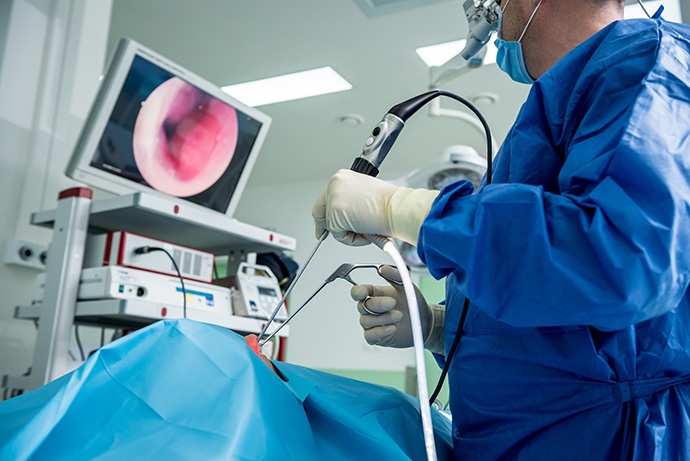
How Are Gastric Bezoars Diagnosed and Treated?
Doctors typically use upper gastrointestinal endoscopy (gastroscopy) to directly visualize the stomach's interior, and may also use X-ray or CT imaging to assist with diagnosis.
- Key item: Upper gastrointestinal endoscopy
- Key items: Upper gastrointestinal endoscopy, doctor consultation, anesthesiologist
- Gastric polyps, H. pylori testing, registered dietitian consultation, and more
| Related Reading |
|
→ Learn more about Diagnostic Imaging Scans
|
Treatment options depend on the size and severity of the bezoar, and may include the following approaches:
- Coca-Cola dissolution therapy: Using the acidity of carbonated beverages to dissolve the bezoar (suitable for smaller bezoars)
- Endoscopic removal: Fragmenting or removing the bezoar via gastroscopy
- Surgical intervention: Reserved for large or complex cases
What is Coca-Cola dissolution therapy for bezoars? Is it effective?
Coca-Cola dissolution therapy utilizes the acidic components of cola to help break down gastric bezoars. Some case studies have shown it to be effective for phytobezoars. However, it is not suitable for all cases, and excessive cola consumption may increase sugar intake. This treatment should only be undertaken under medical supervision.
Dietary Recommendations for Gastric Bezoars | Prevention and Management
To reduce the risk of bezoar formation, consider the following dietary and lifestyle modifications:
- Chew food thoroughly - This aids in the initial breakdown of food
- Avoid excessive high-fiber foods - Particularly those that are difficult to digest
- Maintain a balanced diet - Avoid overly restrictive or monotonous eating patterns
- Support digestive health - Maintain a regular daily routine
Good dietary habits are key to prevention. Although gastric bezoars are uncommon, they are closely linked to everyday eating habits. By improving dietary practices and seeking early medical evaluation, you can effectively reduce your risk and maintain good gastrointestinal health.
Gastric Bezoar FAQ